
01 / Agency
Who is actually in control?
Initiation, choice, delegation, and human participation.
Buildcraft is a Human-AI Systems Design company. We design products and workflows where people and intelligent systems work together — defining what AI controls, what humans control, and how the two interact.
Research. Define. Design. Build.
Brand strategy, product design, and design system for an insurtech platform. From zero to investor-ready.
Design system and product UX that simplified complex workflows into clearer, shippable screens.
Audience decision system for talent-led video shows. Model calibration, brand, and evidence-led report design.
A survivors and tower-defense mobile game. Game design, art direction, and solo engineering in Godot.
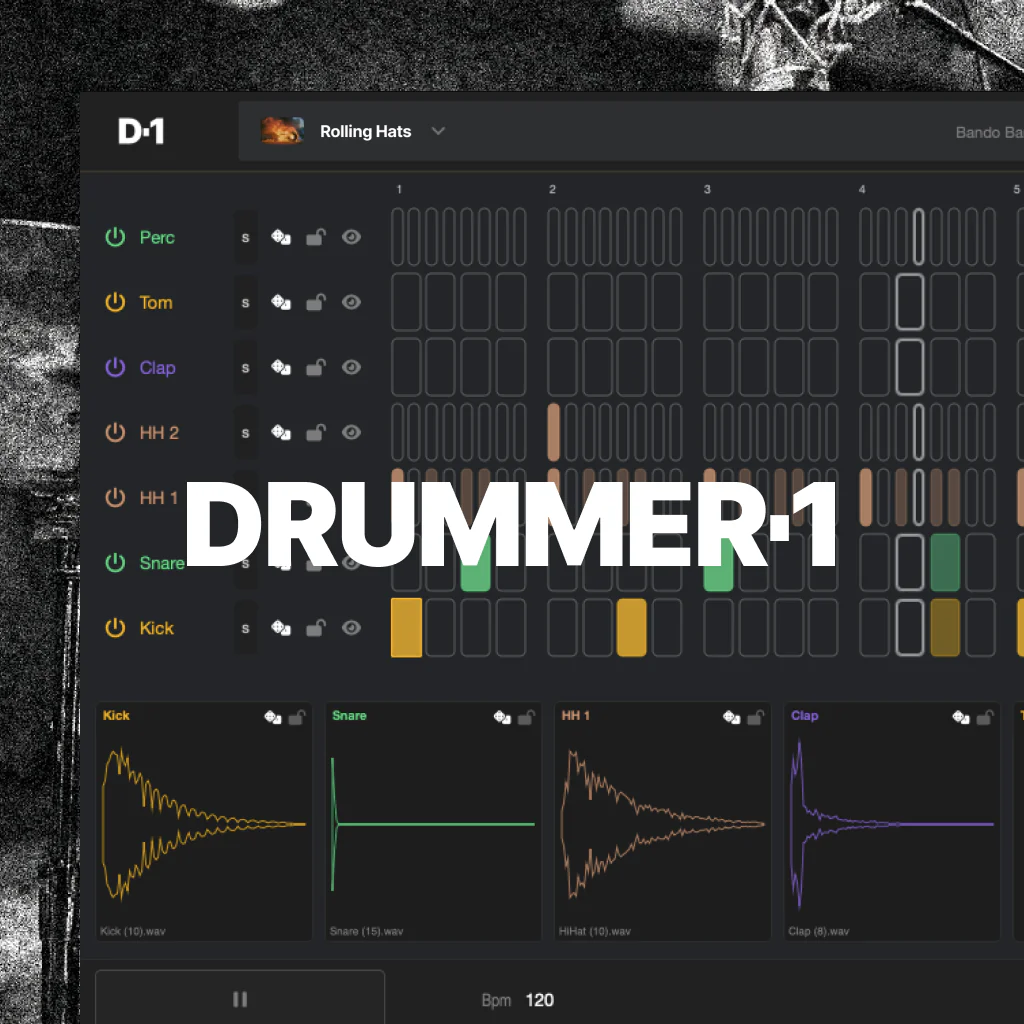
A VST3/AU drum machine plugin. Brand, interface, and end-to-end engineering for musical pattern generation.
Buildcraft works with leaders building AI into products, decisions, and operations. We define roles, decision rights, interfaces, safeguards, and feedback loops — then help ship the system, not just the strategy deck.
Carl Brunson has led product, brand, and systems work for startups and large organizations, including design leadership through Verikai’s approximately $120M acquisition. His background spans computer science, mathematics, interactive design, business, and hands-on product building.
Previously: Verikai (acquired for ~$120M), Netspend, Pearson, CEB (acquired for $2.6B by Gartner).
“The goal isn't maximum automation. It's the right relationship between human and machine.”
For decades, people operated software. Now software can interpret, recommend, generate, decide, and act. Most organizations are adding AI to existing products and workflows without redesigning the human role around it.
The result is powerful technology paired with unclear authority, fragile trust, awkward handoffs, and human workarounds. Buildcraft designs the missing relationship between the person and the system.
The Buildcraft Model evaluates the relationship across Agency, Authority, Legibility, Trust, Correction, and Accountability. Together, these dimensions reveal where a system is useful, confusing, unsafe, or incomplete.
Initiation, choice, delegation, and human participation.

Permissions, approvals, decision rights, and consequence.
Intent, evidence, state, uncertainty, and expected next action.

Confidence, calibration, provenance, verification, and appropriate reliance.

Editability, undo, escalation, recovery, and learning from feedback.

Responsibility, auditability, governance, and recourse.

A focused two-week engagement to map one important system, locate broken decision points, and define what the human and machine should each do.

A six-to-ten-week engagement to redesign the workflow, behavior, interface, rules, and failure paths — then prototype or implement the new system.

Ongoing senior design leadership for teams building AI products or redesigning work around intelligent systems.
We study how AI products distribute agency, authority, understanding, and responsibility. Buildcraft Research turns recurring patterns from products and practice into methods, benchmarks, and the Human-AI Index.